Archives
- 2026-04
- 2026-03
- 2026-02
- 2026-01
- 2025-12
- 2025-11
- 2025-10
- 2025-09
- 2025-03
- 2025-02
- 2025-01
- 2024-12
- 2024-11
- 2024-10
- 2024-09
- 2024-08
- 2024-07
- 2024-06
- 2024-05
- 2024-04
- 2024-03
- 2024-02
- 2024-01
- 2023-12
- 2023-11
- 2023-10
- 2023-09
- 2023-08
- 2023-06
- 2023-05
- 2023-04
- 2023-03
- 2023-02
- 2023-01
- 2022-12
- 2022-11
- 2022-10
- 2022-09
- 2022-08
- 2022-07
- 2022-06
- 2022-05
- 2022-04
- 2022-03
- 2022-02
- 2022-01
- 2021-12
- 2021-11
- 2021-10
- 2021-09
- 2021-08
- 2021-07
- 2021-06
- 2021-05
- 2021-04
- 2021-03
- 2021-02
- 2021-01
- 2020-12
- 2020-11
- 2020-10
- 2020-09
- 2020-08
- 2020-07
- 2020-06
- 2020-05
- 2020-04
- 2020-03
- 2020-02
- 2020-01
- 2019-12
- 2019-11
- 2019-10
- 2019-09
- 2019-08
- 2019-07
- 2019-06
- 2019-05
- 2019-04
- 2018-11
- 2018-10
- 2018-07
-
Hippo signaling is unique in that it does
2022-01-27
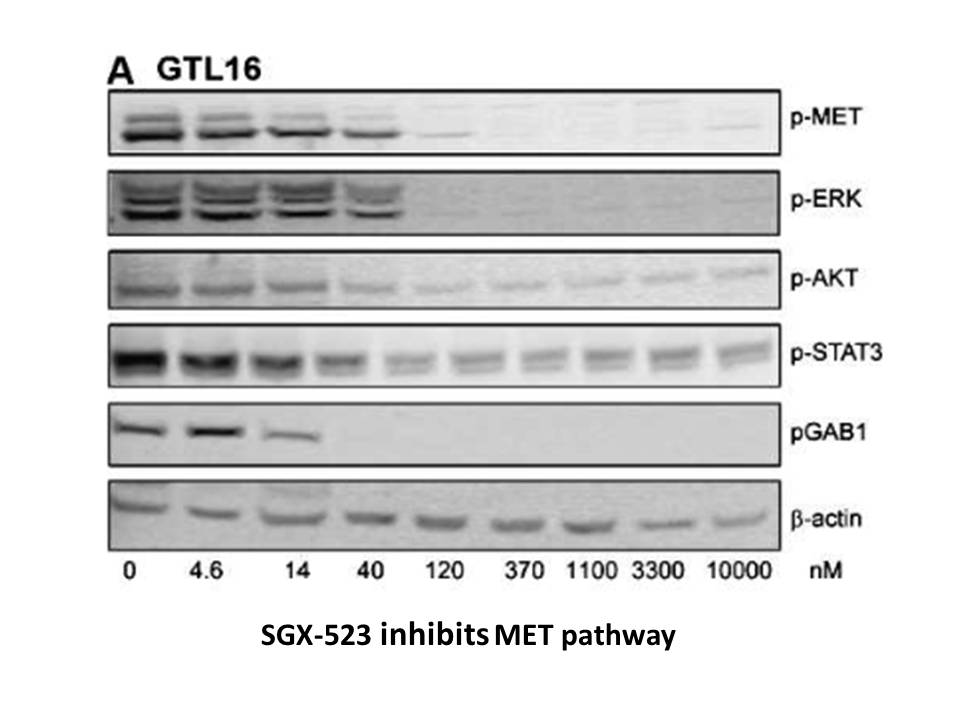
Hippo signaling is unique in that it does not possess a cognate ligand and receptor system. Instead, numerous upstream sensors that monitor cell morphology, cell polarity, cell-cell contact, and mechanical stress impinge onto the Hippo pathway core kinases, MST, and LATS. This in turn indicates the
-
Bile acids synthesized in the
2022-01-27

Bile acids synthesized in the liver are secreted into the intestinal tract to facilitate the digestion and AZD1390 of nutrients. Most bile acids are reabsorbed by the ileum and are transported back to the liver via the portal blood circulation. Recently, bile acids have also been considered as hepa
-
Consideration must be given to both the tissues themselves
2022-01-27

Consideration must be given to both the tissues themselves and to infiltrating immune cells. As highlighted by Maxwell and Eckardt [88], clinical trials of compounds targeting these pathways will require large numbers of participants and prolonged follow-up to identify rare and late complications or
-
The Rab to Rab switch on endosomes co occurs with
2022-01-27
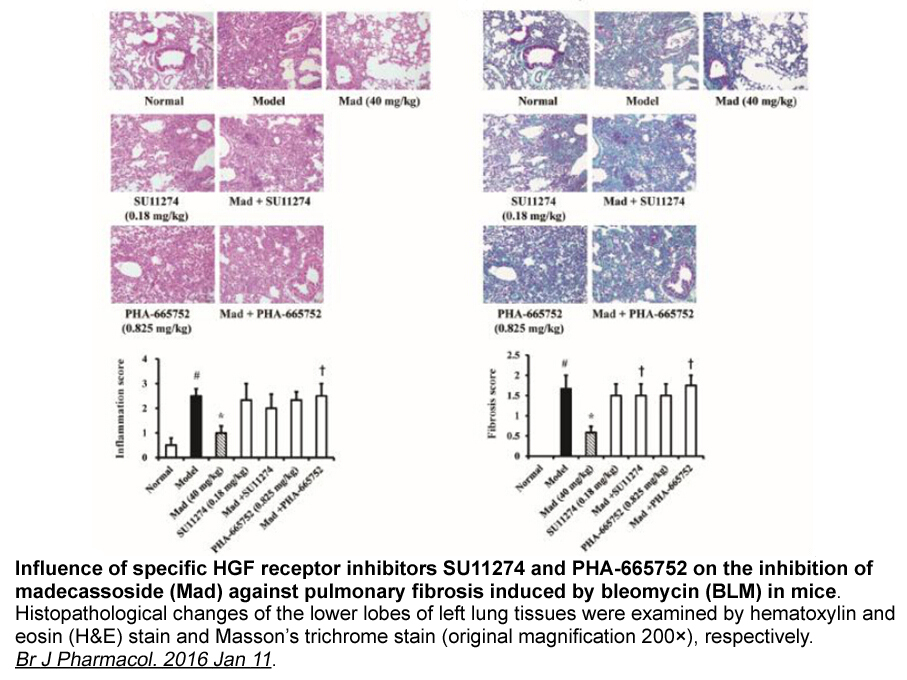
The Rab5 to Rab7 switch on endosomes co-occurs with the release of the Rab5 GEF Rabex5 from endosomes, which prevents further Rab5 activation [5]. In addition, the Rab5 GAP is recruited to inactivate remaining Rab5 [67]. Recent data suggest that another GAP, TBC1D5, which binds the retromer complex,
-
Although historically the two ROCK isoforms have been viewed
2022-01-27
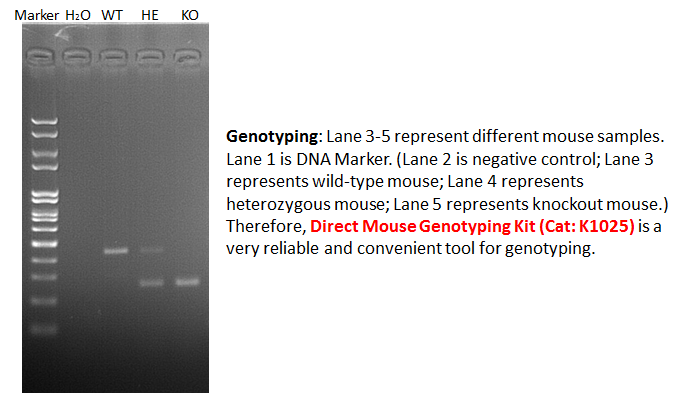
Although historically, the two ROCK isoforms have been viewed as redundant, recent observations show that the two isoforms of ROCK might have different functions (Newell-Litwa et al., 2015). Knockdown of ROCK1 was found to result in cell rounding and a decrease in cell size while cells with knockdow
-
The number of small molecule GSK inhibitors
2022-01-27
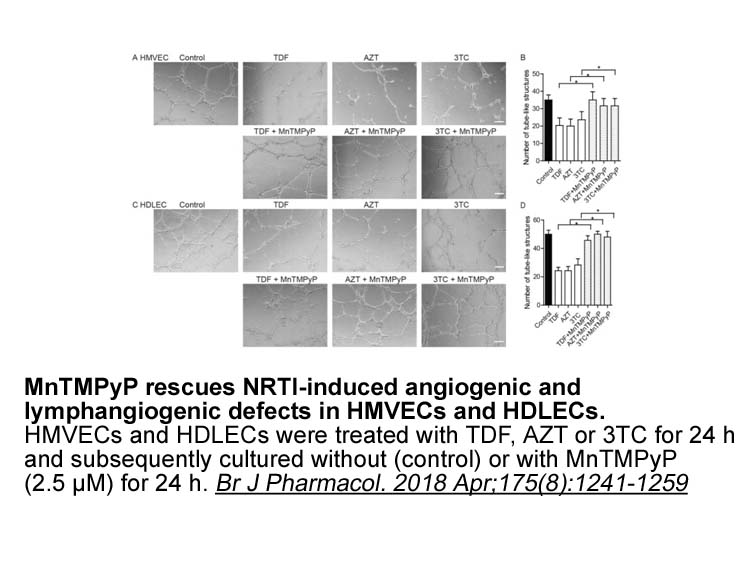
The number of small molecule GSK-3 inhibitors is continuously rising and many have been tested in animals. These studies have provided additional support for specific roles of GSK-3 in neuronal functions under both normal and pathological conditions. Inhibition of GSK-3 has profound effect on neurop
-
9-amino Camptothecin A linker length of and atoms
2022-01-27
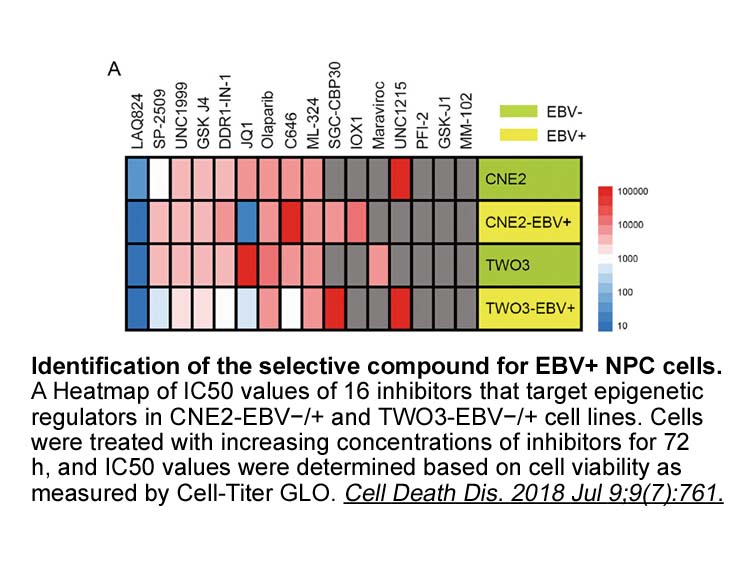
A linker length of 4 and 5 atoms was found to be optimal ( and ) compared to the only weakly active compounds with longer linkers ( and ) or the inactive compounds with shorter linker chains (–). In a next step incorporation of hetero-atoms in the linker was explored (). An amide linker as in and di
-
The original Bee Synch methodology now termed
2022-01-27

The original Bee Synch methodology (now termed Bee Synch I) utilizes a 5-day CIDR, GnRH (GnRH-1) and PGF on day 0, double dose of PGF on day 5, and FTAI with GnRH (GnRH-2) at 66 h after CIDR removal. Cruppe et al. (2014) reported that the inclusion of GnRH on day 0 does not contribute appreciably to
-
In a previous study M ykkynen et al
2022-01-26
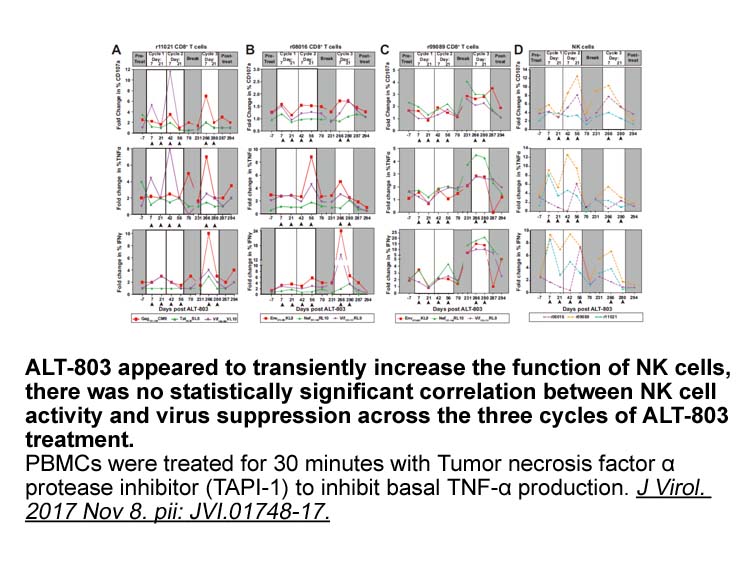
In a previous study (Möykkynen et al., 2003), we reported that ethanol lengthens the time needed for the AMPA receptors to recovery from desensitization in isolated hippocampal neurons. Here, we did not observe any effect of ethanol on recovery from desensitization in recombinant homomeric GluR-D re
-
br Sodium glucose co transporter
2022-01-26
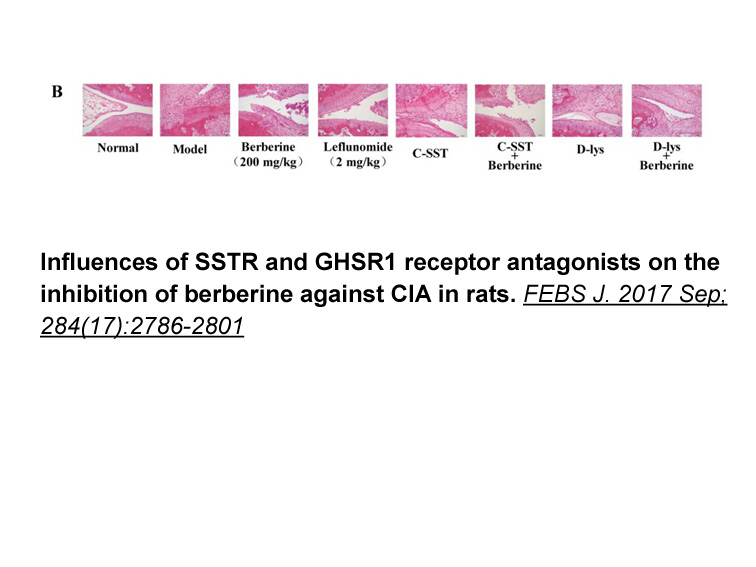
Sodium-glucose co-transporter-2 inhibitors (SGLT2i) are the latest class of non-insulin glucose-lowering agents that facilitate glycaemic control by inhibiting renal glucose reabsorption, thus promoting glycosuria. Canagliflozin, dapagliflozin, and empagliflozin are the three commonly used agents
-
Crystal Violet br Methods br Results Top panels of the Fig
2022-01-26
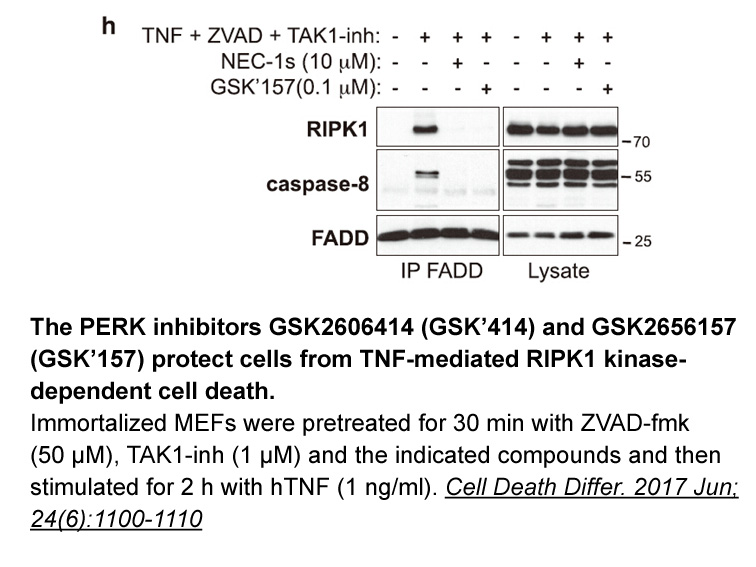
Methods Results Top panels of the Fig. 1 show the conventional representation of the predicted values of TL,CO according to ERS’93 and GLI′17 as a function of age and keeping the height constant (160 cm, panel A and 190 cm, panel B). This figure shows that the GLI-‘17 predicted values of TL,CO
-
Binding of FGFs to FGFRs leads to
2022-01-26
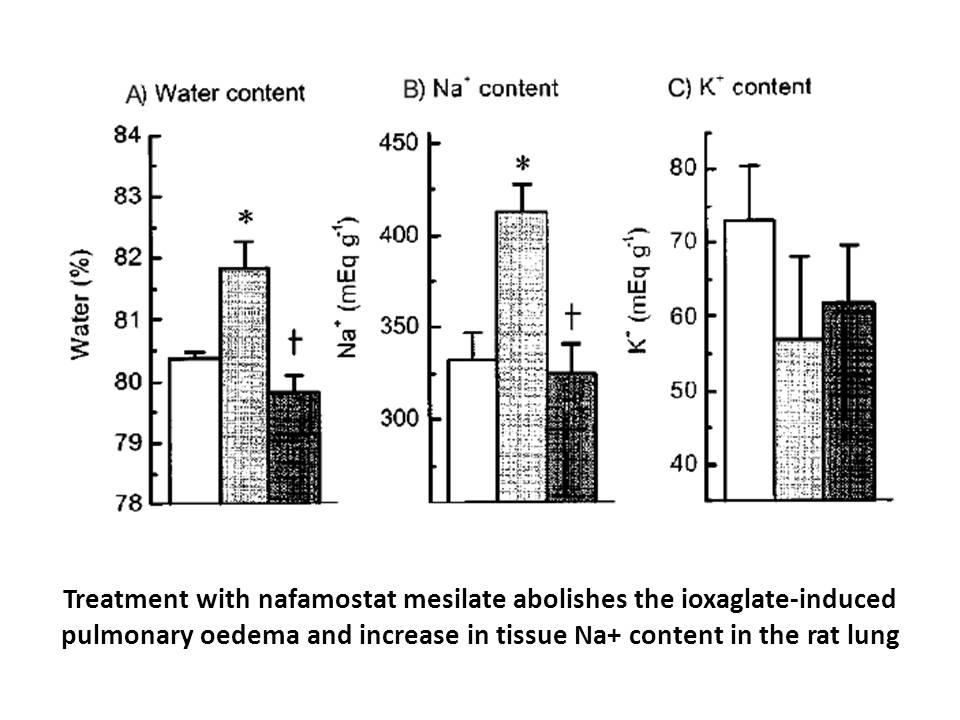
Binding of FGFs to FGFRs leads to receptor dimerization, resulting in the transphosphorylation of a tyrosine in the activation loop of the kinase domain. Subsequently, the activated FGFRs phosphorylate their intracellular receptor substrates, particularly FGFR substrate 2 (FRS2) and phospholipase Cγ
-
One of the main mechanisms
2022-01-26
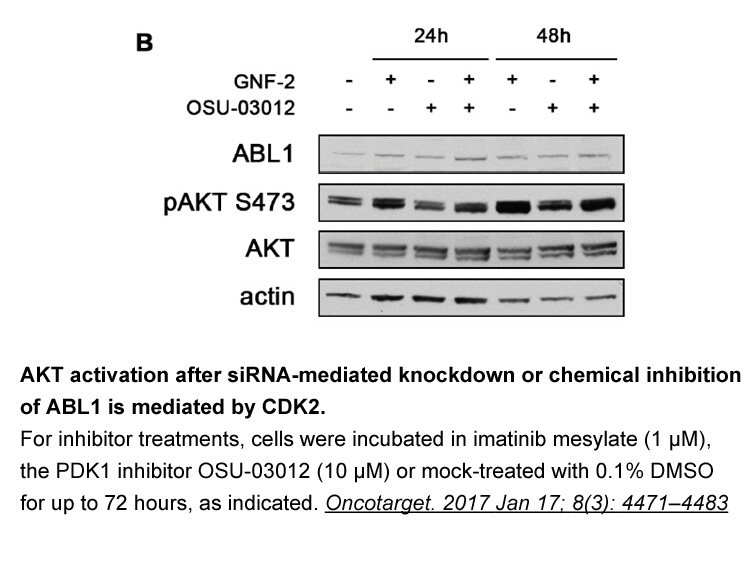
One of the main mechanisms enabling recycling of intracellular redox-active iron is lysosomal degradation of ferritin in the process of autophagy, often referred to as ‘ferritinophagy’ [128]. Autophagy was suggested to contribute to ferroptotic cell death by promoting the degradation of iron storage
-
momelotinib Arsenic is generally found in the
2022-01-26
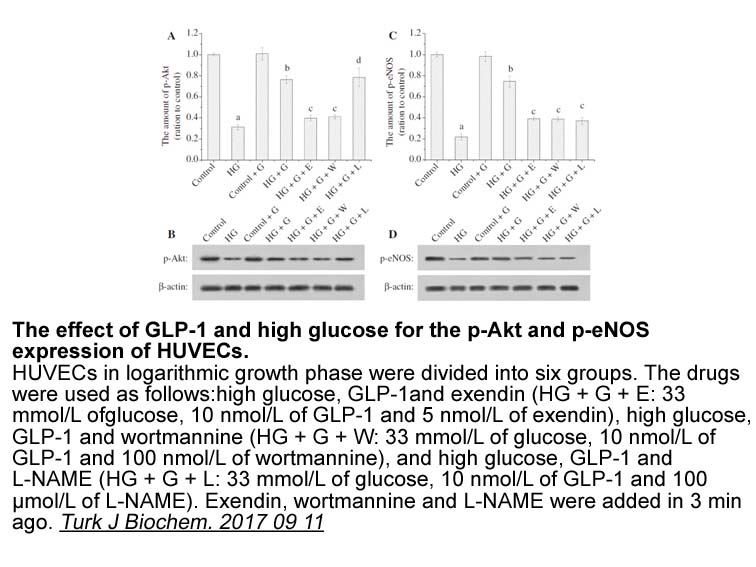
Arsenic is generally found in the form of iAs in arsenic plants. Arsenic is primarily metabolized in the liver through methylation processes. Human metabolism of arsenic results in the formation of the methylarsenic metabolites, MMA and DMA, which are more water soluble (Khaleghian et al., 2014; Wei
-
The deduced amino acid sequences of all scIPPSs display
2022-01-26
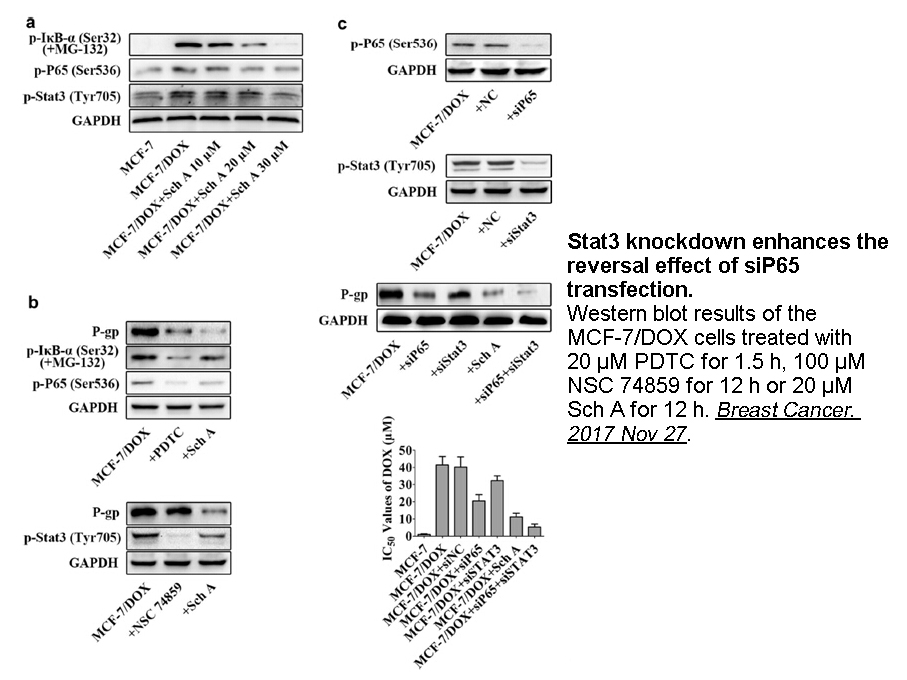
The deduced amino PJ 34 sequences of all scIPPSs display high similarity, and sequence alignments reveal seven conserved regions [2]. Regions II and VI contain the substrate-binding regions, with two characteristic aspartate-rich motifs (DDx(xx)xD; where x represents any amino acid residue). Region
15814 records 485/1055 page Previous Next First page 上5页 481482483484485 下5页 Last page